
I learned the hard way: a casino provider sells games, but online casino software runs the gambling platform. Pick the software first—providers plug in later. Then map operator tools, including https://casinosoftware.co.ke/ for payment integration for online casinos, CRM for iGaming, and KYC and AML provider for casinos. Finally, validate API for casino games, game integration services, and regulatory compliance before going live.
I’ve seen operators get stuck because they signed only one casino provider. Build a balanced lineup: slots, table games, scratch, and multiplatform casino games, then confirm coverage by market.
Use at least 3 slot suppliers to avoid dead catalog weeks.
I tested a few casino ID provider setups, and the smoothest one behaved like a “single player” truth source. It should map KYC status, session IDs, and game events without leaking PII.
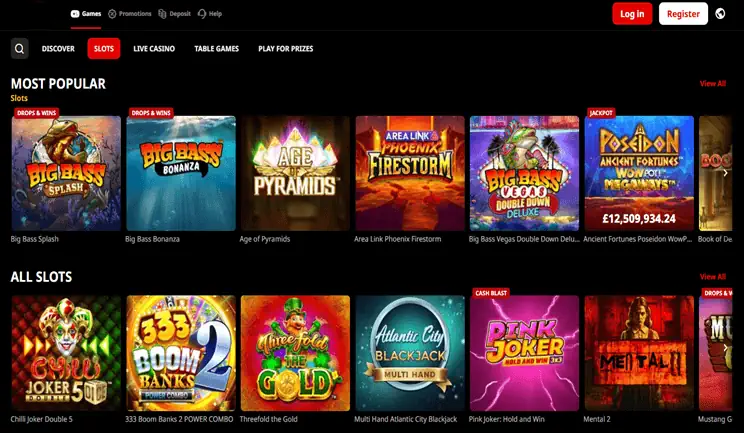
When I built a gambling platform software stack, the iGaming platform provider backend choices mattered more than the UI. I leaned on fast game state handling with 99.9% uptime targets, plus CRM hooks, wallets, and reporting tools.
I tried standalone “operator tools” first; it felt clever until I synced accounts, bonuses, and ban rules across systems. The casino management system should own player accounts, CRM for iGaming, and game administration together.
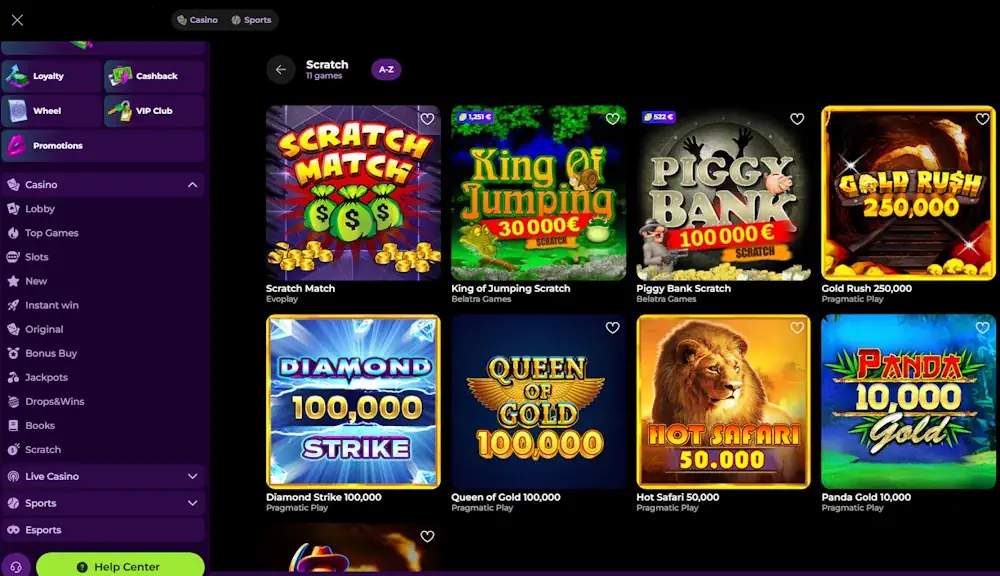
“If your CRM can’t see real-time wagering, your offers become guesses, not strategy.”
I watched live streams stutter once on a weekend go-live, and conversion tanked fast. Live dealer software matters as much as the casino game selection.
Latency under 2 seconds is the difference-maker for live retention.
I built integrations with providers via API for casino games, and the cleanest path was strict game-ID mapping plus error replay logs. I’d rather debug one bad request than guess what happened to a single spin.
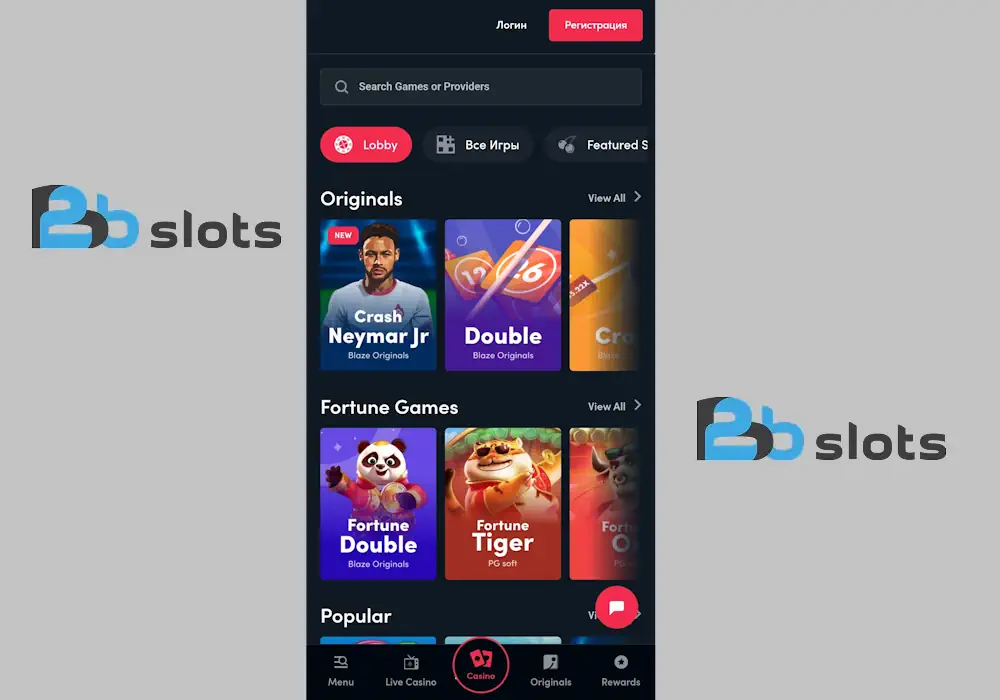
I’ve launched turnkey iGaming solutions on a white label casino platform and learned customization always takes longer than sales says. Pick what you need: multilingual casino platform UI, wallet rules, and multilingual casino games catalogs. Plan for integration freeze; my last go-live slipped 10 days due to title validation.
Budget 10 extra days for catalog + compliance sign-off.
On a real remote gambling platform, regulatory compliance isn’t a checkbox; it’s wiring. I paired a KYC and AML provider with a payment integration for online casinos so deposits, withdrawals, and limits matched risk status. For payments, I targeted Stripe for cards plus Adyen for local methods, then tested chargeback handling on every provider.
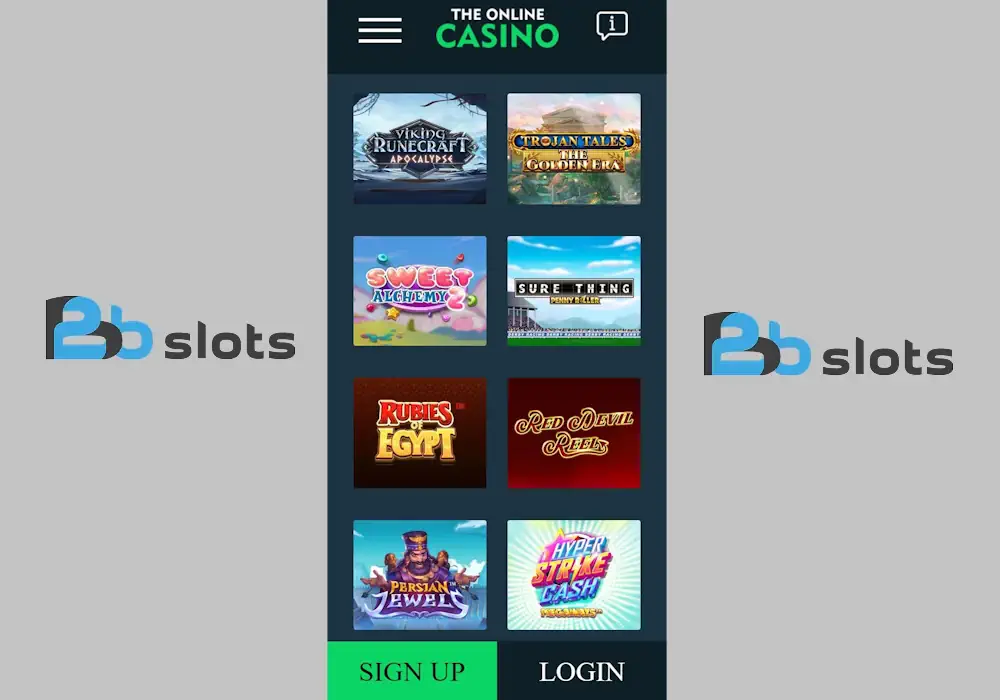
Start with the online casino platform you’ll run, then map providers to its requirements. I learned the hard way that reversing it causes integration headaches.
Demand slots plus table games and multiplatform coverage. I saw conversion drop when we under-supplied games for certain regions.
It must unify player identity, sessions, and security signals. In practice, withdrawals failed when gating wasn’t enforced at status level.
Yes—latency and failover affect retention fast. I’ve watched weekend buffering hurt results immediately.
Most issues come from inconsistent game IDs and weak logging. Tight mapping and error replay logs saved us time repeatedly.